
Services
Pain Management Physiotherapy in BTM, Bengaluru
Take a step towards more comfortable movement with personalised physiotherapy care for pain, mobility limitations and everyday physical challenges.

ABOUT THE TREATMENT
Personalised Care for Better Movement
Pain can affect the way you work, sleep, exercise and manage everyday activities. Whether it involves your back, neck, shoulder, knee or another area, understanding the cause and nature of your symptoms is an important part of choosing appropriate care.
At Hope Multispeciality Physical Therapy Rehabilitation & Wellness Centre, pain management begins with an individual assessment of your symptoms, movement limitations and functional needs.
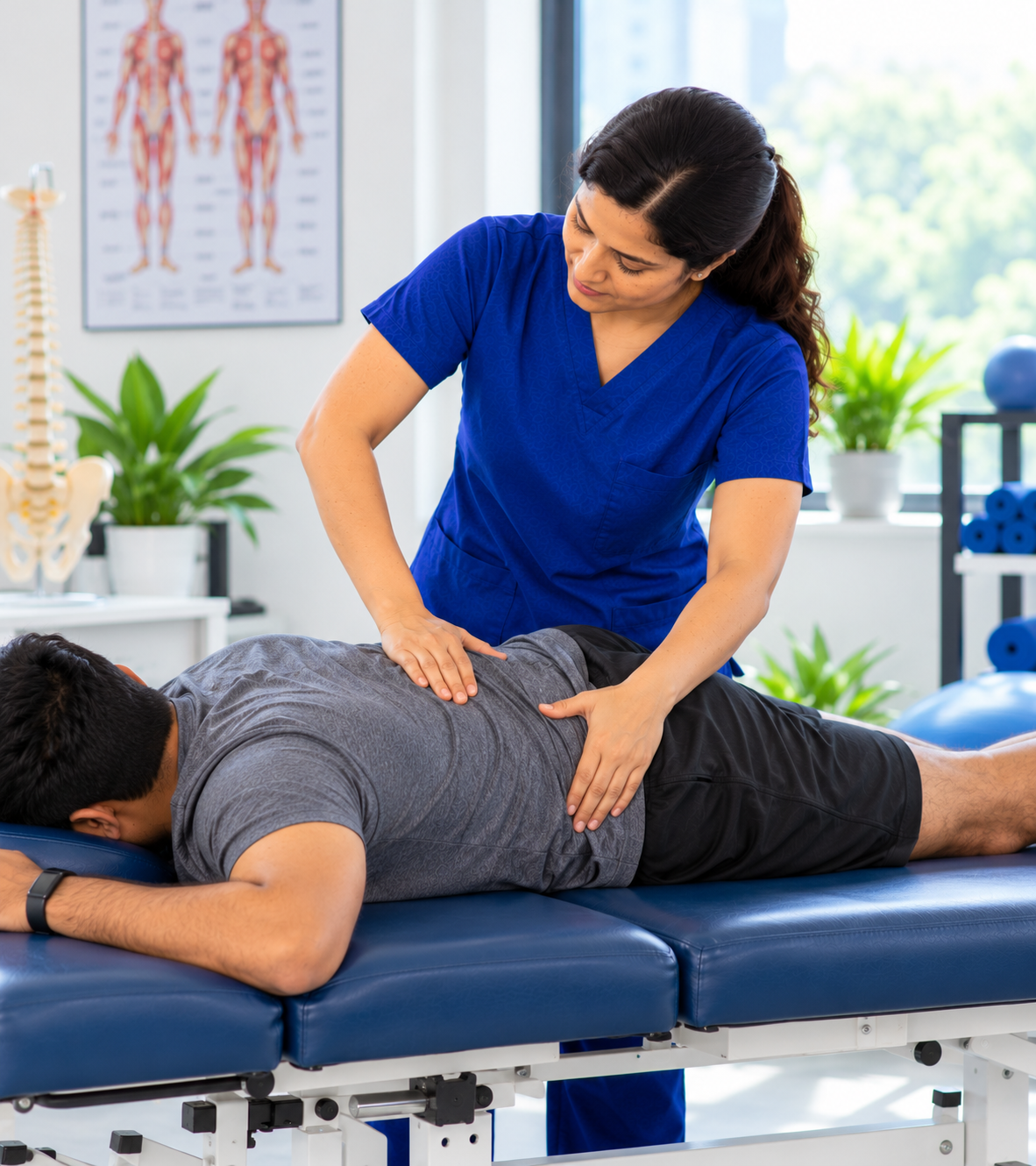
Depending on your condition, your physiotherapy programme may include therapeutic exercises, appropriate manual therapy, mobility training and practical guidance to help you manage symptoms and work towards improved function.
WHO WE HELP
Physiotherapy for Different Types of Musculoskeletal Pain
Pain can have different causes and may require different treatment approaches. Following an appropriate assessment, physiotherapy may help manage selected musculoskeletal conditions.
Lower Back Pain
Support for back discomfort that affects bending, sitting, standing and daily activities.
Neck Pain
Assessment and rehabilitation for neck discomfort and associated movement restrictions.
Shoulder Pain
Movement and strengthening programmes tailored to selected shoulder conditions.
Knee Pain
Physiotherapy to address mobility limitations, strength deficits and functional difficulties affecting the knee.
Muscle Tightness and Strains
Appropriate movement, mobility and strengthening exercises for selected muscle-related problems.
Chronic Musculoskeletal Pain
Individualised rehabilitation to support function and activity management for persistent musculoskeletal pain.
HOW WE HELP
A Structured Approach to Pain Management
Initial Consultation
Discuss your pain, medical history, daily activities and functional difficulties.
Individual Assessment
Evaluate relevant aspects of movement, strength, mobility and physical function.
Personalised Treatment Plan
Select suitable physiotherapy interventions based on your assessment and treatment goals.
Therapeutic Exercise and Manual Therapy
Where appropriate, use guided exercises, mobility work and suitable hands-on techniques to support rehabilitation.
Progress Monitoring
Review your response to treatment and adapt the programme as your needs change.
YOUR RECOVERY JOURNEY
Work Towards Better Comfort and Everyday Function
Depending on your condition and response to treatment, a suitable physiotherapy programme may help you work towards:
Managing selected musculoskeletal pain symptoms.
Improving mobility and flexibility where restricted.
Building strength and physical capacity.
Returning gradually to appropriate daily activities.
Developing better movement habits and exercise confidence.
Learning practical strategies to manage recurring symptoms.
Every person’s recovery is different. Your treatment plan should be reviewed according to your progress, medical needs and functional goals.
WHY CHOOSE US
Physiotherapy Care Focused on Your Needs
Pain can affect people differently, so treatment should reflect your symptoms, physical abilities and personal goals.
Individualised Assessment
Understand your movement limitations and rehabilitation needs before selecting a treatment approach.
A Practical Rehabilitation Plan
Combine appropriate treatment techniques and exercises based on your assessment.
Focus on Everyday Function
Work towards meaningful goals such as improved mobility, activity tolerance and confidence in daily movement.
GOOD TO KNOW
Frequently Asked Questions About Pain Management Physiotherapy
Find answers to common questions about physiotherapy assessments, treatment planning and appointments at Hope.
What is pain management physiotherapy?
Pain management physiotherapy uses assessment, education, appropriate exercises and other rehabilitation techniques to help manage selected pain conditions and improve physical function. The treatment approach depends on the cause of the pain and the patient’s individual needs.
Can physiotherapy help with chronic pain?
Physiotherapy may help some people with persistent musculoskeletal pain improve movement, strength, activity tolerance and confidence. Chronic pain can have multiple contributing factors, so treatment should be individualised and may need to form part of a broader healthcare plan.
Can physiotherapy help with lower back pain?
Physiotherapy can help manage many cases of nonspecific lower back pain. Depending on the assessment, treatment may include exercise, movement guidance, education and appropriate manual therapy. Persistent, severe or unusual symptoms may require further medical evaluation.
How many physiotherapy sessions will I need?
The number of sessions varies according to the condition, symptom severity, recovery goals and response to treatment. Your physiotherapist can discuss a suitable plan and review your progress rather than promise a fixed number of sessions.
Is manual therapy necessary for pain management?
Not always. Manual therapy may be useful for selected conditions, but it is only one possible component of rehabilitation. Exercise, education, activity modification and other approaches may be more appropriate depending on your assessment.
Should I seek medical attention before starting physiotherapy?
If your pain follows a significant injury or is accompanied by concerning symptoms such as new or progressive weakness, loss of sensation, fever or unexplained weight loss, seek medical assessment. Severe back pain with new bladder or bowel dysfunction or numbness around the groin requires emergency assessment.
Where can I find pain management physiotherapy in BTM, Bengaluru?
You can contact Hope Multispeciality Physical Therapy Rehabilitation & Wellness Centre in BTM 4th Stage, Bengaluru, to enquire about available physiotherapy services and discuss whether an assessment is appropriate for your symptoms.