BLOG
Insights for Better Movement
Practical guidance on pain relief, recovery, mobility and living well — from the world of physiotherapy.
BLOG
Understanding Multispecialty Physical Therapy Rehabilitation: Benefits, Treatments and Who Can Benefit

Physical pain, restricted movement and difficulty performing everyday activities can affect people at every stage of life. Whether it is persistent back pain, a sports injury, joint stiffness, difficulty walking after surgery or age-related mobility challenges, the right rehabilitation approach can play an important role in recovery.
Multispecialty physical therapy rehabilitation brings together different physiotherapy and rehabilitation approaches to address a person’s individual needs. Instead of focusing only on a painful area, rehabilitation considers movement, strength, flexibility, balance, coordination and the activities a person wants to return to.
At Hope Multispeciality Physical Therapy Rehabilitation & Wellness Centre in BTM 4th Stage, Bengaluru, the focus is on helping individuals understand their physical challenges and explore appropriate rehabilitation options for better movement and function.
In this guide, we explain what multispecialty physiotherapy involves, the conditions rehabilitation may help address, and when to consider professional assessment.
What Is Multispecialty Physical Therapy Rehabilitation?
Multispecialty physical therapy rehabilitation is an approach that draws on different physiotherapy techniques and rehabilitation principles to address a wide range of musculoskeletal, movement-related and functional problems.
Depending on a person’s condition, rehabilitation may focus on pain management, improving joint mobility, restoring muscle strength, developing balance, improving coordination or rebuilding confidence in everyday movement.
For example, someone recovering from a knee injury may need to improve joint movement and leg strength. A person experiencing recurring neck pain may benefit from a combination of mobility exercises, strengthening and ergonomic advice. Someone recovering from surgery may require a carefully planned progression of exercises and functional activities.
The treatment plan depends on the individual’s symptoms, medical history, physical assessment and rehabilitation goals.
The objective is to improve physical function and help people participate more comfortably and safely in their daily activities.
What Conditions Can Physiotherapy Rehabilitation Help With?
Physiotherapy and rehabilitation may be appropriate for a variety of conditions. The most suitable treatment depends on the diagnosis, severity of symptoms and individual circumstances.
1. Back Pain and Lower Back Stiffness
Back pain can develop for several reasons, including muscle strain, prolonged sitting, reduced physical activity and certain spinal conditions.
Physiotherapy may include exercises to improve mobility, strengthen supporting muscles, develop better movement control and help people return to daily activities.
Persistent or severe back pain should be appropriately assessed to determine whether further medical investigation is necessary.
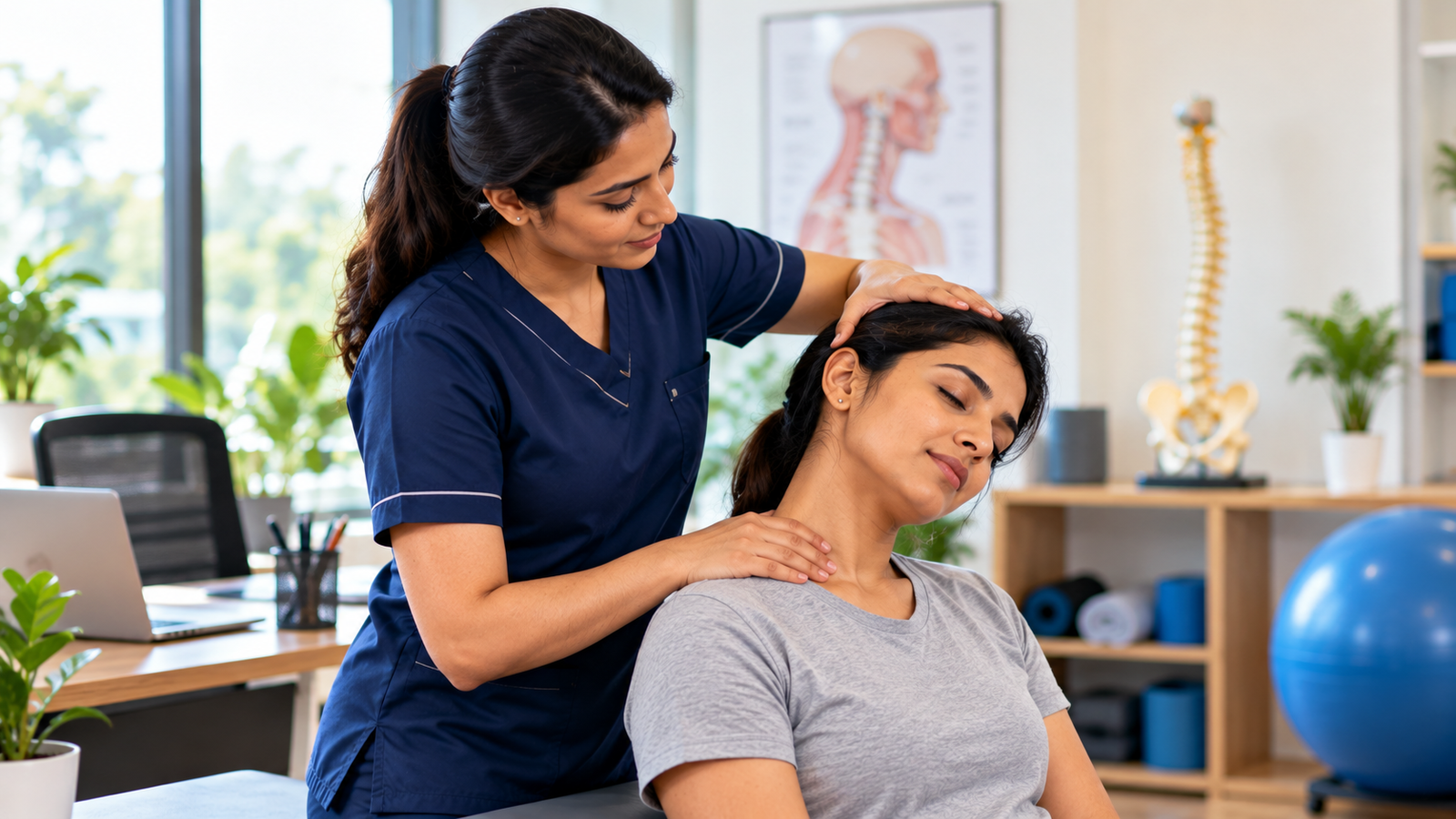
2. Neck Pain and Cervical Discomfort
Long working hours, sustained positions, muscle fatigue and some cervical spine conditions can contribute to neck discomfort.
A physiotherapy assessment may examine neck movement, shoulder mobility, muscle strength and the activities that aggravate symptoms.
Treatment may include targeted exercises, movement education, strengthening and workstation adjustments where appropriate.
3. Knee Pain and Joint Problems
Knee pain may be associated with osteoarthritis, injuries, changes in activity levels or other joint conditions.
Depending on the cause, rehabilitation may focus on improving knee mobility, strengthening the surrounding muscles, developing balance and gradually restoring functional activities such as walking, climbing stairs and standing from a chair.
4. Sports Injuries
Sports and physical activities can sometimes result in sprains, muscle strains, tendon problems and joint injuries.
Sports injury rehabilitation typically progresses according to the injury and the person’s recovery. It may involve restoring mobility, rebuilding strength, improving balance and coordination, and preparing for a safe return to sport.
5. Post-Surgical Rehabilitation
After certain surgeries, rehabilitation may be recommended to help restore movement, strength and function.
The rehabilitation plan must follow the treating surgeon’s instructions, surgical precautions and the individual’s stage of recovery.
Depending on the procedure, physiotherapy may support activities such as walking, joint movement and gradual strengthening.
6. Neurological Rehabilitation
Some neurological conditions can affect balance, coordination, muscle control, walking and everyday independence.
Neurological rehabilitation may focus on practising functional movements, improving balance and coordination, strengthening muscles where appropriate, and developing strategies for safer daily activities.
Treatment should be tailored to the person’s neurological condition and medical needs.
7. Age-Related Mobility and Balance Difficulties
Changes in strength, flexibility, balance and physical endurance can make everyday activities more challenging as people age.
Appropriate exercise and rehabilitation may help improve strength, mobility and balance, depending on the individual’s health and abilities.
The goal is to support independence and make daily movement more manageable.
What Are the Benefits of Physical Therapy Rehabilitation?
The benefits of physiotherapy vary according to the condition being treated and the individual’s response to rehabilitation.
A structured rehabilitation programme may help with the following.
Better Mobility and Flexibility
Restricted joint movement and muscle stiffness can interfere with everyday activities. Appropriate mobility exercises may help improve movement where restrictions are contributing to the problem.
Improved Muscle Strength
Strengthening exercises can help address weakness and improve the body’s ability to perform activities such as walking, lifting, standing and climbing stairs.
Better Balance and Coordination
Balance and coordination exercises may help people who experience instability or difficulty controlling their movements.
Support During Recovery
Rehabilitation can provide a structured approach to rebuilding physical capacity after certain injuries, illnesses or surgical procedures.
Improved Functional Independence
Treatment can focus on practical goals, such as returning to work, walking more comfortably, participating in recreational activities or managing daily tasks with greater confidence.
Education and Self-Management
Physiotherapy can also help people understand their condition, manage activity levels, practise suitable exercises and recognise when further medical advice is needed.
It is important to remember that outcomes are different for every person. No particular result or recovery timeline can be guaranteed.
What Happens During a Physiotherapy Assessment?
An assessment helps the physiotherapist understand the person’s condition and determine an appropriate rehabilitation approach.
A typical assessment may include:
1. Understanding your symptoms: The physiotherapist asks about the onset, location and nature of your symptoms, previous injuries, medical history and activities that affect your condition.
2. Assessing movement: Depending on the problem, the assessment may examine joint mobility, flexibility, posture, balance, coordination and functional movements.
3. Evaluating strength and physical function: Relevant muscle groups and movements may be assessed to identify limitations that could influence treatment.
4. Establishing rehabilitation goals: Goals may include improving walking, reducing movement-related discomfort, returning to work or rebuilding strength after an injury.
5. Planning treatment: Based on the findings, the physiotherapist recommends appropriate interventions and explains how progress can be monitored.
Further medical evaluation may be recommended when symptoms suggest that physiotherapy alone may not be appropriate.
What Treatments May Be Included in Rehabilitation?
There is no single treatment programme suitable for every condition. Depending on the assessment, a physiotherapy plan may include several approaches.
Therapeutic exercises: Exercises selected to improve strength, mobility, endurance or movement control.
Mobility and flexibility training: Activities designed to address relevant restrictions in movement.
Balance and coordination exercises: Training to improve control and stability during functional activities.
Manual therapy: Hands-on techniques that may be appropriate for selected musculoskeletal conditions.
Movement retraining: Practising relevant movements to improve function and confidence.
Postural and ergonomic education: Guidance on workstation setup, daily habits and activity modification.
Functional rehabilitation: Gradually practising activities that are important to the person’s everyday life.
Treatment selection should be guided by the individual’s condition, preferences, progress and any relevant medical precautions.
How Long Does Physical Therapy Rehabilitation Take?
There is no fixed recovery period for every person.
The time required depends on several factors, including the nature of the condition, symptom duration, severity, general health, physical capacity and consistency with the recommended programme.
Some people may improve over a relatively short period, while complex injuries, neurological conditions and recovery following surgery may require longer-term rehabilitation.
Progress should be reviewed periodically. Improvements in movement, strength, balance and daily function can help determine whether the programme needs to be adjusted.
Your physiotherapist can discuss realistic goals and an appropriate review schedule based on your assessment.
How Can You Support Your Rehabilitation at Home?
Your daily habits can influence your ability to participate in rehabilitation.
Consider these general practices:
Follow the exercises and activity guidance recommended by your physiotherapist.
Avoid remaining in one position for excessively long periods when movement is appropriate.
Increase physical activity gradually according to your condition.
Use appropriate lifting and workstation techniques.
Allow adequate time for recovery and sleep.
Report new, worsening or unusual symptoms to your healthcare professional.
Attend recommended follow-up assessments to review progress.
Avoid copying exercise routines intended for someone with a different injury or medical condition. An exercise that is appropriate for one person may not be suitable for another.
When Should You Consider Physiotherapy?
Consider seeking a professional assessment if you experience persistent or recurring musculoskeletal pain, reduced joint movement, muscle weakness, difficulty walking, balance problems or limitations in everyday activities.
Physiotherapy may also be recommended by your doctor as part of recovery following an injury, surgery or certain medical conditions.
Seek prompt medical attention for concerning symptoms such as sudden or progressive weakness, loss of bladder or bowel control, severe pain following significant trauma, or other symptoms that may indicate an urgent medical problem.
A physiotherapist can help determine whether rehabilitation is appropriate or whether additional medical assessment is needed.
Choosing a Physiotherapy and Rehabilitation Centre in Bengaluru
Choosing a physiotherapy clinic involves more than finding a convenient location. It is important to consider professional qualifications, assessment practices, communication and whether treatment is tailored to your needs.
Look for a clinic that:
Takes time to understand your symptoms and medical history.
Explains the proposed treatment and rehabilitation goals.
Adapts exercises to your physical abilities and condition.
Reviews progress and modifies treatment when necessary.
Recognises when referral for further medical evaluation is appropriate.
Provides practical guidance for activities at home and work.
These considerations can help you make a more informed decision about your rehabilitation.
Physiotherapy and Rehabilitation at Hope, BTM 4th Stage, Bengaluru
If you are looking for physiotherapy in BTM 4th Stage or a rehabilitation centre in Bengaluru, Hope Multispeciality Physical Therapy Rehabilitation & Wellness Centre offers a local point of contact for physiotherapy and rehabilitation enquiries.
The clinic is located at:
Hope Multispeciality Physical Therapy Rehabilitation & Wellness Centre
Shop No. 8, Pariwar Palace, Royal Shelters,
BTM 4th Stage, Bengaluru – 560076.
Call for appointments and enquiries: +91 89991 68508
Whether you are dealing with back pain, neck discomfort, joint stiffness, an injury or movement difficulties, the first step is understanding your condition and identifying suitable care.
Frequently Asked Questions
What is the difference between physiotherapy and rehabilitation?
Physiotherapy is a healthcare profession focused on movement, physical function and related problems. Rehabilitation is a broader process that helps people regain or maximise abilities affected by injury, illness, surgery or disability. Physiotherapy is often an important part of rehabilitation.
Who can benefit from physical therapy rehabilitation?
People experiencing musculoskeletal pain, injuries, reduced mobility, balance difficulties or functional limitations may benefit from rehabilitation. The appropriate approach depends on their condition and individual assessment.
Is physiotherapy suitable for older adults?
Physiotherapy may help older adults address strength, mobility, balance and functional limitations. Exercise selection and treatment intensity should be adapted to the person’s health, abilities and medical needs.
Can physiotherapy help after surgery?
Physiotherapy can form part of recovery after many types of surgery. The programme must follow the surgeon’s instructions, relevant precautions and the person’s recovery stage.
Do I need a doctor’s referral before visiting a physiotherapist?
Requirements can vary depending on the circumstances and type of care needed. If symptoms are severe, unusual or potentially related to an underlying medical condition, seek medical advice. A physiotherapist can also recommend referral when necessary.
Where can I find a physiotherapy rehabilitation centre in BTM 4th Stage?
Hope Multispeciality Physical Therapy Rehabilitation & Wellness Centre is located at Shop No. 8, Pariwar Palace, Royal Shelters, BTM 4th Stage, Bengaluru – 560076. You can contact the clinic at +91 89991 68508 for appointment enquiries.
Take the First Step Towards Better Movement
Rehabilitation is not simply about treating a painful area. It is about understanding what limits your movement, setting realistic goals and working towards improved physical function.
With an appropriate assessment and an individualised plan, physiotherapy may help you build strength, improve mobility and participate more comfortably in everyday life.
If pain, stiffness, injury or reduced mobility is affecting your routine, consider seeking professional guidance.
Contact Hope Multispeciality Physical Therapy Rehabilitation & Wellness Centre in BTM 4th Stage, Bengaluru, at +91 89991 68508 to enquire about physiotherapy and rehabilitation services.
This article is for general educational purposes and does not replace an individual medical assessment or professional healthcare advice.
BLOG
Explore Our Latest Articles
Useful information for moving better, recovering well and staying active.